Science at Gade Valley Primary School
Science Subject Leader: Mr Barron
Curriculum Aims
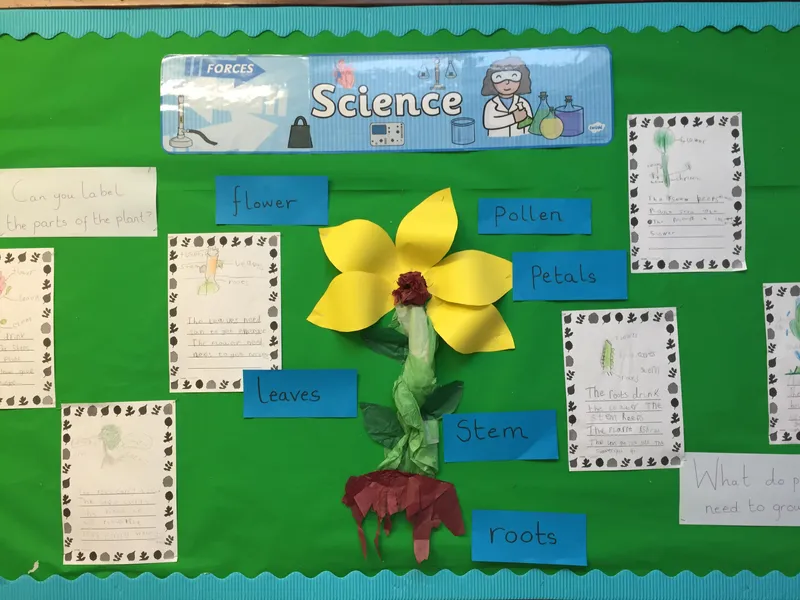
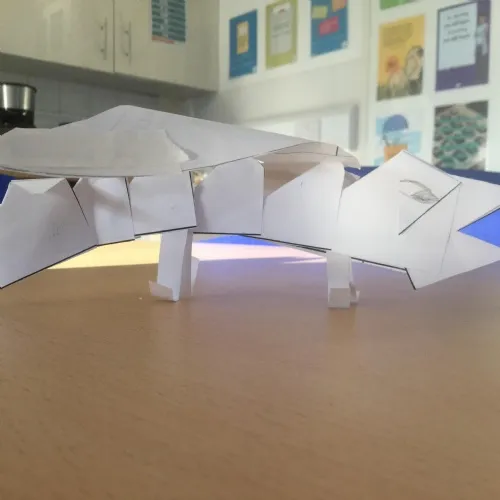
At Gade Valley Primary School we believe that a high quality collaborative and practical science education provides the foundations for understanding the world through the specific disciplines of early physics (e.g. forces) chemistry (e.g. reversible and irreversible change) and biology (e.g. growing plants). We intend to provide all pupils with a broad and balanced science curriculum.
Gade Valley strive to:
- Prepare our pupils for life in an increasingly scientific and technological world today and in the future.
- Help our pupils acquire a growing understanding of the nature, processes and methods of scientific ideas using practical activities where ever possibly.
- Help develop and extend our pupils' scientific concept of their world.
- Build on our pupils' natural curiosity and developing a scientific approach to problems.
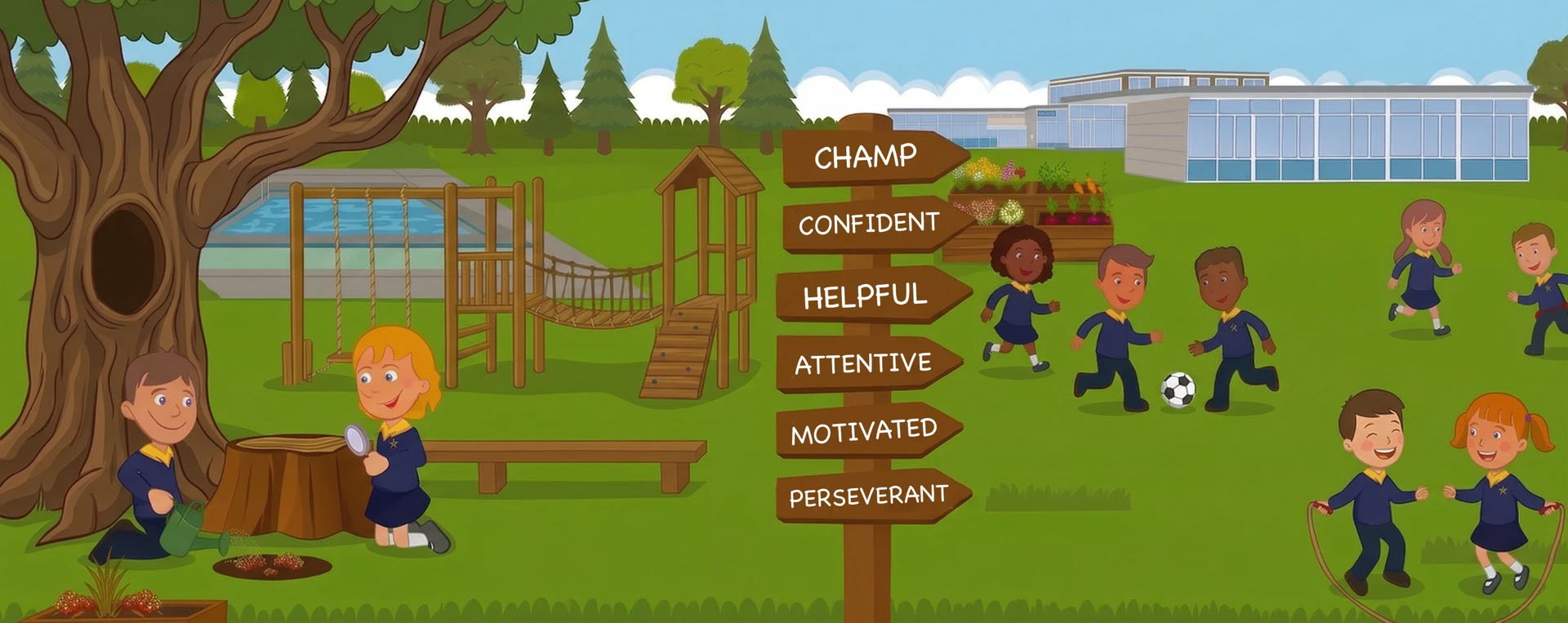
- Encourage the use of our CHAMP skills when developing the skills of investigation – including: observing, measuring, predicting, hypothesising, experimenting, communicating, interpreting, explaining and evaluating.
- Develop the use of scientific language when recording.
- Make links between science and other subjects through cross curricular work.
How We Teach Science
At Gade Valley Primary School we implement a curriculum that is progressive throughout the whole school. Science is consistently taught as discrete lessons for up to 2 hours per week. Planning for science ensures that the school gives full coverage of ‘The National Curriculum programmes of study for Science 2014’. In Early Years, busy-fingers and active learning sessions cover many aspects relating to ‘understanding the world’ in the early learning goals. Herts for Learning science maps are used to guide planning and coverage for each year group. At the beginning of each unit, teachers ensure that children start by recapping their prior knowledge as well as their understanding of key vocabulary. Throughout each unit, the pupils are encouraged to work collaboratively and scientifically, using a range of practical resources such as creating their own circuits to demonstrate their understanding of how electricity works. Pupils will also have opportunities to explore their outdoor environment and locality to further develop their scientific skills such as questioning, predicting, hypothesising and making conclusions. All science lessons include the ‘Gade Valley Principles of Teaching and Learning’, which are a set of non-negotiables for each lesson. For example, all pupils will be challenged and display good learning behaviours. Assessment for learning strategies are used to help pupils gain confidence about what they are expected to learn and inform teachers about which pupils have a secure understanding and where additional support may be required. At the end of the the science unit, pupils reflect on their learning through a key concept question and revisiting the key vocabulary.
Key Developments and Information for 2025/26
Up to June 2026, the following measurable impact includes:
- In 2024/25 the majority of pupils achieved age related expectations, with a small minority achieving greater depth.
- The approach for pupils to work collaboratively in small groups and recording their work in floor books has been consolidated.
- A consistent approach to the end of unit assessment which includes key vocabulary and and a key question has been introduced.
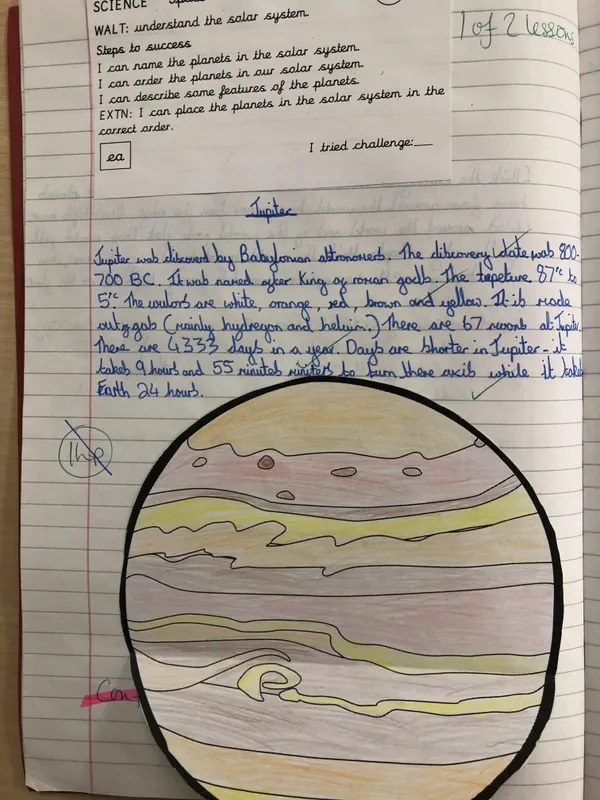
- Regular book looks for each year group shows regular lessons are taking place. There was an good variety of recording including practical tasks and outdoor learning where appropriate.
- Teachers give verbal feedback during lessons, highlight spelling errors of scientific vocabulary. Pupils feel that the feedback they are given during lessons helps them to learn. Pupils are encouraged to ask questions during lessons to help support the understanding.
- Key strengths reported during pupil voice were: enjoyment of science, clear expectations for learning, feedback, teacher support and practical lessons.
- Each class has taken part in one GOAL Day. Pupil feedback shows that they are developing their scientific enquiry skills through fun and engaging outdoor activities linked to curriculum aims.
To see our learning in science, please visit the science page on the 'Curriculum Blogs' section.
Science National Curriculum
| Name | Format | ||
|---|---|---|---|
| Files | |||
| Science National Curriculum.pdf | |||
Science Overview
| Name | Format | ||
|---|---|---|---|
| Files | |||
| Science Overview 2025 - 2026.pdf | |||
Science Skills and Knowledge Progression
| Name | Format | ||
|---|---|---|---|
| Files | |||
| Science Topic Maps Years 1 - 6.pdf | |||